The history of the 911 ST (1969 - 1972)

The racing Porsche 911 ST represented a key intermediate step between the experimental 911 R and the later Carrera RS. Thanks to its low weight, powerful six-cylinder engines, and FIA group homologation, it became one of the most successful Porsches of its era, both on the track and in rallying, and laid the foundation for the legendary Carrera RS and RSR.
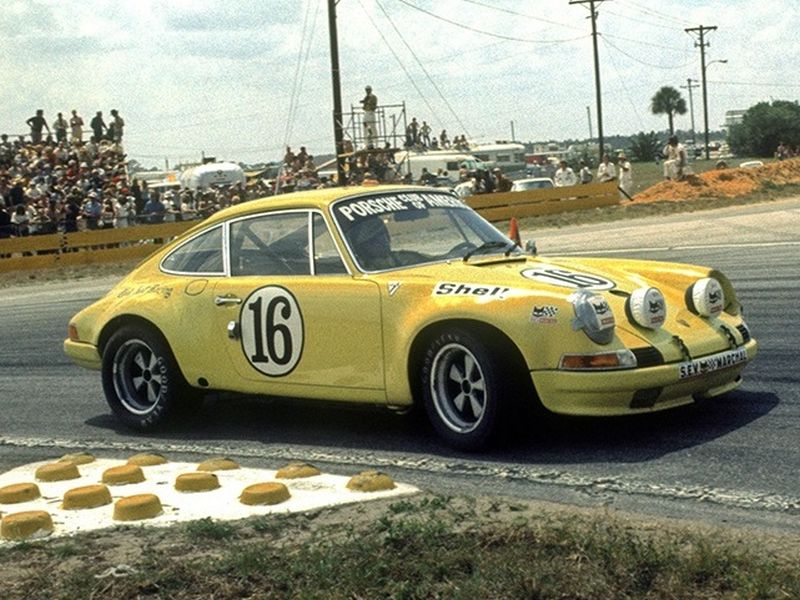
By the end of the 1960s, it became clear that the potential of the 911 model went far beyond the production versions. In 1967, therefore, the Porsche motorsport department, under the leadership of Hans Mezger, Peter Falk, Rolf Wütherich, and Ferdinand Piëch, developed the extremely lightweight 911 R special. Thanks to rigorous measures, its weight was reduced to the 800-kilogram mark. The experience gained during this project became the foundation for the next step – the creation of racing modifications of the 911 S model, which Porsche offered to customers from 1970 under the internal designation 911 ST.
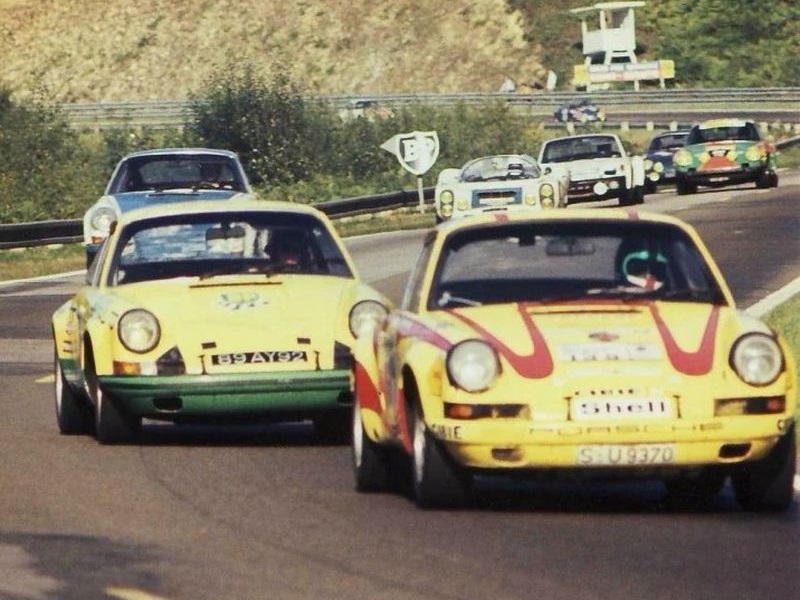
The car was based on the production 911 S, combined with lighter equipment originally intended for the 911 T model. The modified chassis was powered by an air-cooled 2.2-liter flat-six engine, the character of which was adapted for motorsport. Thanks to the use of plexiglass windows, aluminum panels, and fiberglass-reinforced plastic parts, the weight was significantly reduced, and the car received homologation for FIA Group 3. The first results were not long in coming – as early as January 1970, three 911 ST 2.2 cars took first, second, and fourth place at the Rallye Monte Carlo. Further successes followed at the Acropolis Rally, the East African Safari Rally, and in endurance races at Le Mans and Daytona.
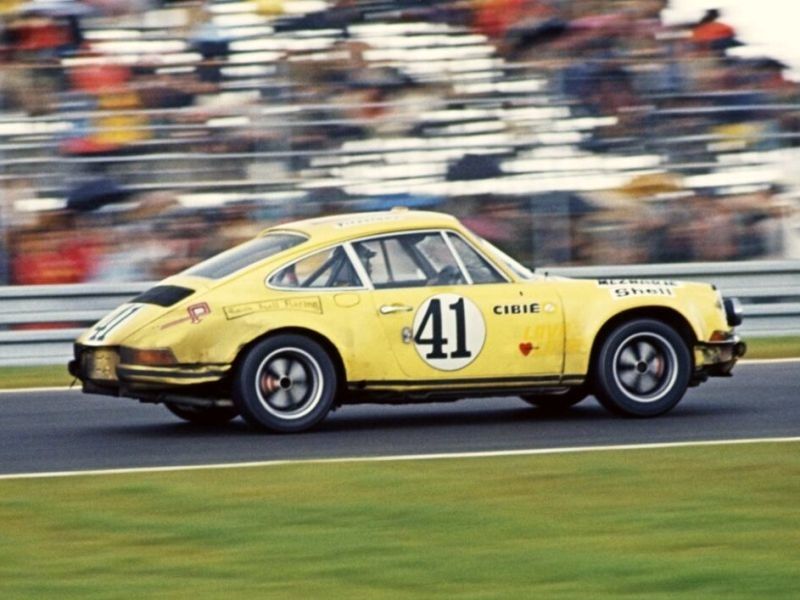
From October 1970, it was possible to order the ST racing package as standard equipment under the designation M471 for the 911 and 914 models. The M491 specification was used for circuit racing, while the rally version carried the M494 code. The package was constantly evolving, and with the relaxation of FIA rules, the displacement was increased to 2.3 liters from January 1971. In its lightest configuration, the 911 ST 2.3 weighed just 840 kilograms. Further development brought 2.4-liter and later 2.5-liter engines, while changes in regulations necessitated the replacement of plastic body parts with widened steel panels.
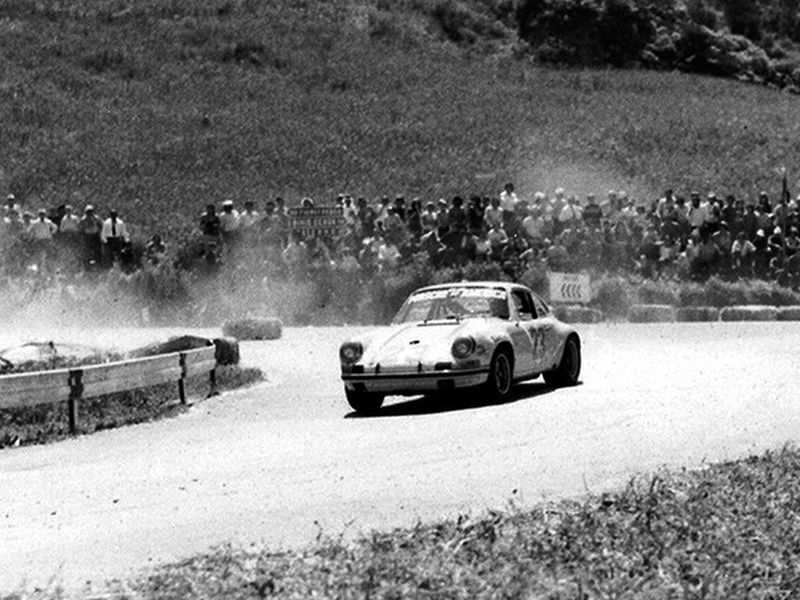
The differences compared to the production 911 S gradually deepened. In addition to the larger engine displacement, the 911 ST received custom intake manifolds, carburetors, high-lift camshafts, and a dual-ignition system. The top-of-the-line 2.5-liter version offered up to 270 horsepower. A specially developed exhaust system with optimized backpressure, modified cylinder heads, and an auxiliary oil cooler ensured reliability even during long racing stints.
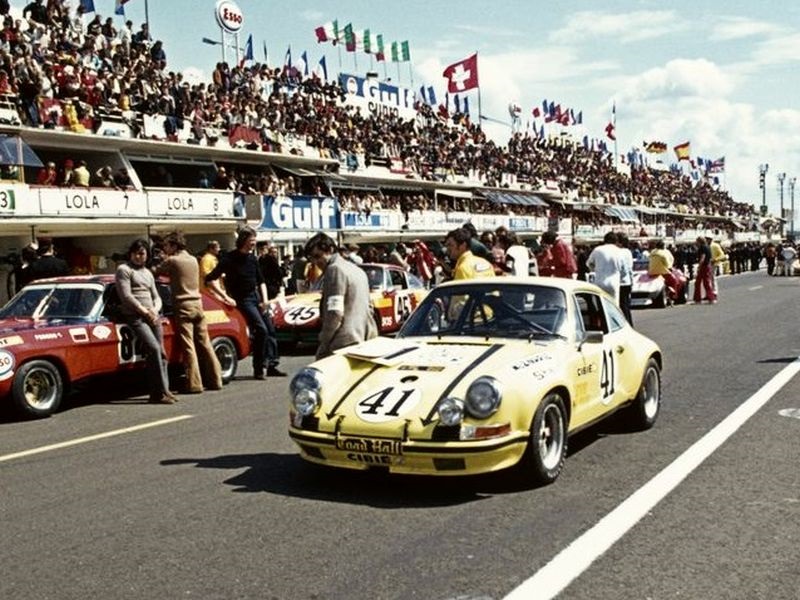
Weight reduction also affected the body and interior. Some variants lacked bumper strips, auxiliary headlight brackets, decorative elements, and protective covers. Inside, there was no room for comfort – chrome decorations, sound insulation, rubber mats, the glove box, and the passenger sun visor were all removed. The driver had a tachometer reading up to 10,000 rpm, a smaller sports steering wheel, Scheel or Recaro bucket seats, and safety harnesses. On request, the car could be equipped with rally stopwatches, a Twin-Master counter, an intercom, or a separate horn button for the co-driver.
Although the 911 ST is somewhat overshadowed by its more famous successors today, at the beginning of the 1970s, it was one of the most successful racing Porsches both on the track and in rallying. It remained in production for about three years before being replaced by the iconic 911 Carrera RS 2.7 and subsequently the even more radical Carrera RSR 2.8. These models concluded one of the most important chapters in Porsche's sporting history – a chapter that the 911 ST helped write.
| 911 S 2.2 | 911 ST 2.5 | |
|---|---|---|
| Engine type: | 6-cylinder boxer | 6-cylinder boxer |
| Displacement: | 2195 | 2494 |
| Power: | 134 kW (180 HP) at 6500 rpm | 200 kW (270 HP) at 8000 rpm |
| Torque: | 199 Nm at 5200 rpm | 260 Nm at 6300 rpm |
| Compression ratio: | 9.8 : 1 | 8.5 : 1 |
| Max. speed: | 230 km/h | 260 km/h |
| Weight: | 1020 kg | 960 kg |
| Original price: | 24,000 DM | 49,000 DM |


8.6. 2017