Dark times for the Porsche 911

It is hard to believe today, but in the seventies, this was a harsh reality. Many people criticized the 911 model line for having its engine in the rear. At the time, there was talk of the complete end of the then fifteen-year-old model line with its unique air-cooled flat-six engine. These were not just a few voices, but the opinions of consumers, journalists, and even the company's own management.
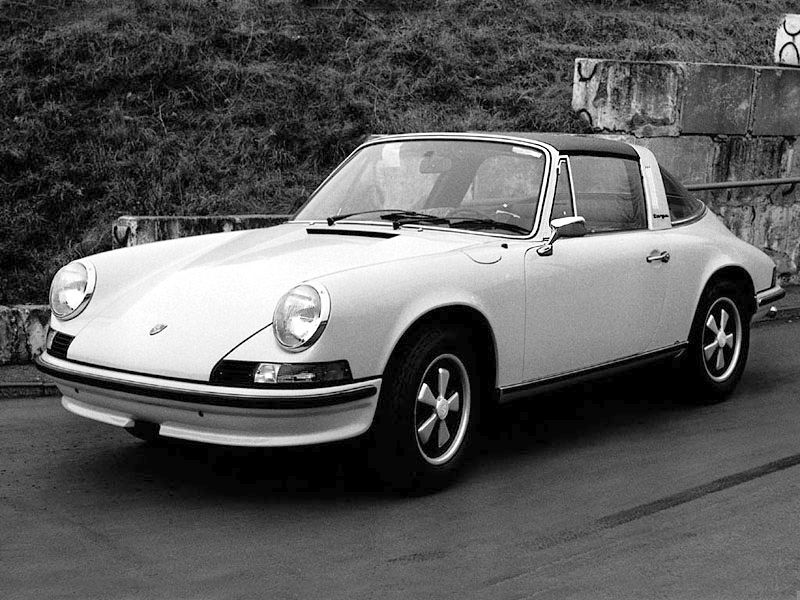
Porsche 911 on the chopping block - the rear engine was a problem
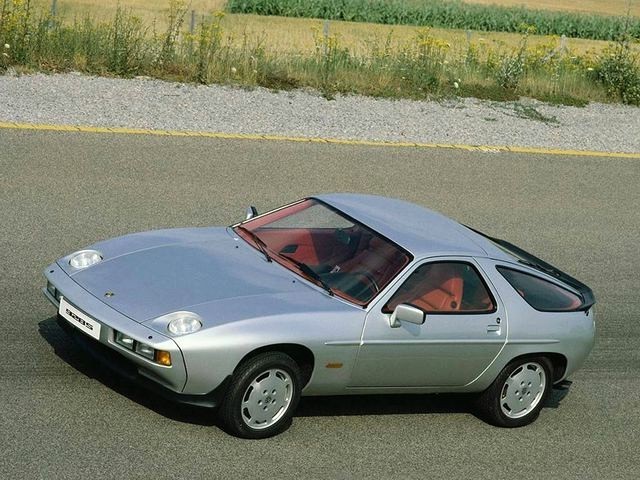
And what was the car's main problem? It was the engine position. In the seventies, the opinion took hold among engineers that an engine mounted in the rear, behind the wheelbase, was a major risk to the safety and health of the crew and that it contributed to dangerous oversteer when lifting off the throttle at the limits of the chassis' capabilities. The entire automotive trend rejected rear-engined layouts for normal cars, so why should a sports car like the 911 continue with it? Especially when new models like the 924 and 928 with front-mounted engines were selling four times as well as the 911 series!
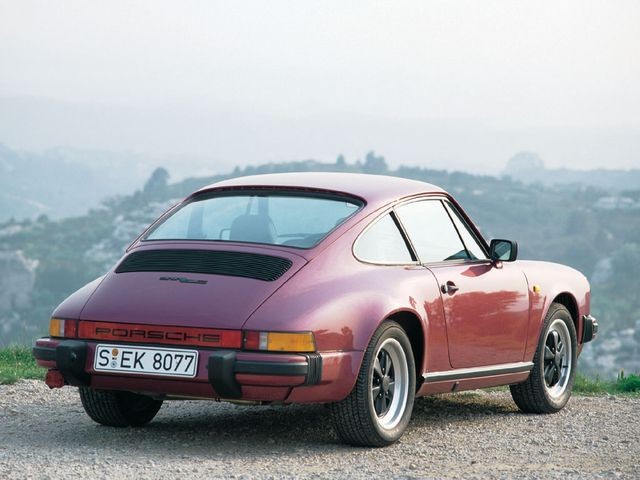
European journalists were particularly uncompromising. In 1978, Car magazine published a "venomous" review of the SC Sport model, which at the time had its power reduced to 180 hp. In the article, author Mel Nichols pondered whether Porsche had become a Morgan—in other words, a deliberate anachronism. Furthermore, Car and Driver magazine reported what were said to be verified facts that the 911 SC was the last type of air-cooled Porsche.
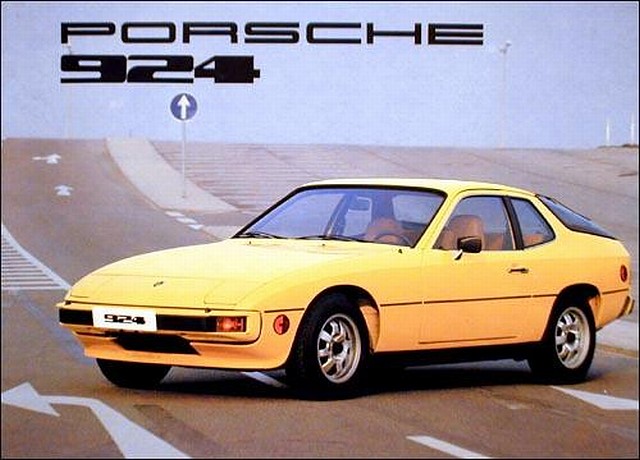
To some extent, reporter John Miles from Autocar magazine contributed to this when, in a test of the 3.3 Turbo, he described how the car would uncontrollably snap into an oversteer spin if the throttle was lifted during an understeering slide. The turbocharged engines of that time had a much longer power lag than today. Therefore, compared to the inherent stability of the 928 and 924, the 911 seemed outdated. The tide of resistance swirled around the 911 for an entire decade.
The oil crisis and safety regulations brought the 911 to its knees
In its early years, the 911 had to face the rising popularity of road safety patron Ralph Nader, whose book "Unsafe at Any Speed" contributed to the end of the Chevrolet Corvair and also significantly damaged the reputation of the VW Beetle. Both cars had one thing in common with the Porsche: the engine position. Nader's pressure resulted in the rapid introduction of new structural safety rules across the pond in America.

Until then, no automaker had to worry about anything like that. Safety zones began to appear in new cars, emissions started to be measured... And if it was found that something did not meet the new conditions, the car was subjected to heavy criticism. This thoughtless adoption of new regulations resulted in infamous automotive mutants.
In 1973, the world was shaken by the oil embargo. The Arab oil states simply wanted to show their superiority over the Western world. This resulted in long lines at gas stations; manufacturers began to doubt the profitability of higher-performance models, and customers stopped buying them for a time. In the mid-seventies, it even seemed that convertibles would be banned in California, which meant a catastrophe for a country with such a long tradition of open-top cars. This period also hit Porsche hard, which is why they came up with the Targa body version. Fortunately, the ban did not happen, but the affair still shook up the production processes of automakers, including Porsche, which still offers the Targa today.
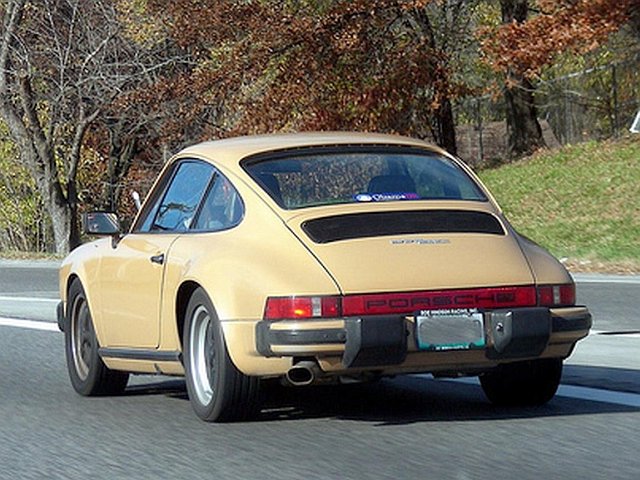
Despite all this, Porsche defended itself by stating that their cars were intended for people who knew how to drive. They also helped themselves significantly with the uncompromising quality of their cars. Nevertheless, Porsche could not shake the slander of being an automaker that liked to make cars that went "through the bushes of the roads tail-first." The head of the company was worried that events would overtake the firm. Why not produce modern Porsche cars with a front engine and get rid of all the troubles that the era brought?
Porsche 911 SC: the legend's weakest moment
When the first 911 model was introduced in 1963, the car was light and slim. In the seventies, however, it underwent a series of plastic surgeries that changed it significantly. The car was heavier because it received a galvanized body and rubber bumpers. The engine was modified for unleaded fuel in the USA and significantly lost the power and character of the old type. Nevertheless, for an extra charge, you could get a 911 in a competition-ready form, just like the previous model generation.
Experts agree that the 1978 911 SC model with a three-liter engine throttled down to 180 horsepower was the absolute low point for the 911. And who saved the 911 for us? It was the loyal owners and fans, specifically the enthusiasts in America. They realized that Porsche wanted to strike their favorite car from its lineup, so all the American fan clubs joined together and made it clear to the factory, through their sheer numbers, what they thought about it. American critics never really took aim at the 911 much, because they knew well how far ahead the car was compared to all their American cars...
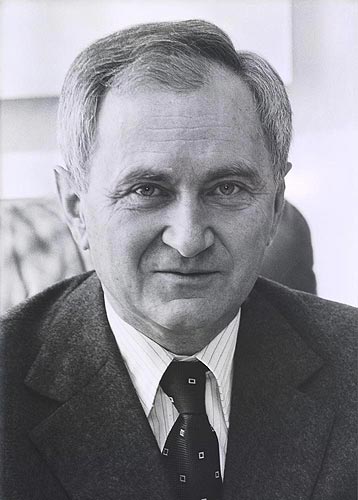

Peter Schutz saved the Porsche 911
Porsche realized in time how it had to behave toward its loyal fans. Therefore, in 1980, the company's management decided to increase the existing power (180 hp) of all 911 models (outside the US market) to 204 hp. In 1981, the existing head of the company, Dr. Ernst Fuhrmann, was replaced by Peter Schutz, who knew well what the market demanded. One of his first statements in his new position promised independent development for each model line and also assured customers that their rear-engined icon was not planning to retire at all. In fact, at the 1982 Geneva Motor Show, he let it be known that a 911 Cabriolet was in the works and that he planned to increase the engine displacement. The Porsche 911 was therefore safe.


21.5. 2004