Austro-Daimler Sascha - 100 years since the victory at Targa Florio

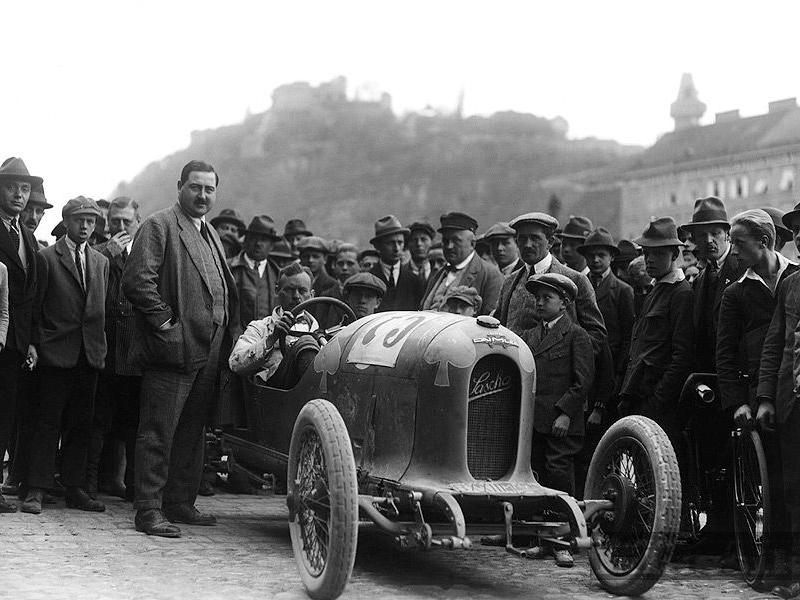
The tradition of small, lightweight, and technically advanced sports cars was present at Porsche long before the brand name itself appeared on the hoods. Even the first projects of Ferdinand Porsche were connected by the same principle that remains one of the pillars of the Zuffenhausen brand to this day – the lowest possible weight combined with maximum efficiency. And just as important was another principle – to test new technical ideas in motorsport first, and only then offer them to customers.
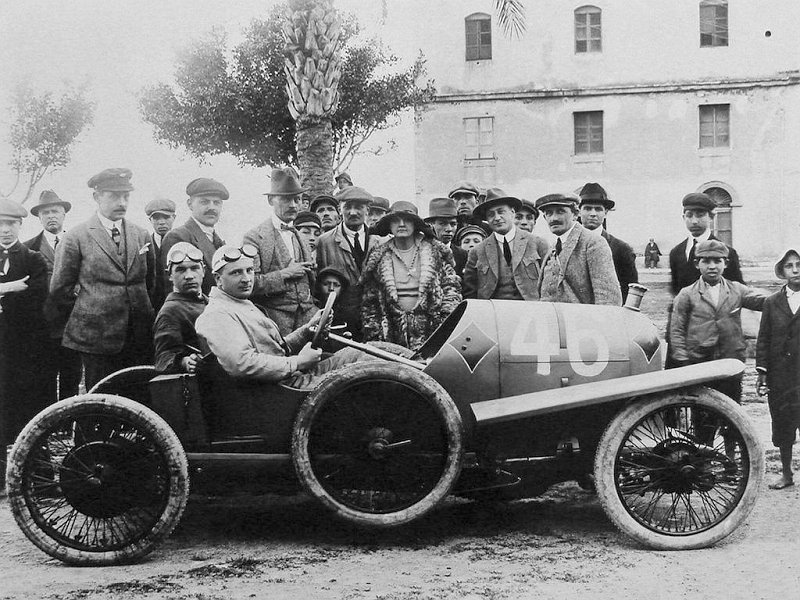
This philosophy began to take shape more than a hundred years ago, at a time when the thirty-six-year-old Ferdinand Porsche was the chief designer for the Austrian automaker Austro-Daimler. In 1922, one of his most daring projects was created there: a small sports car intended to take on much more powerful competition in the toughest conditions of the motorsport of that era.
The impetus for the creation of the Austro-Daimler ADS-R came from Ferdinand’s close friend, the Czech racer and aristocrat Count Alexander "Sascha" Kolowrat. The car was named after him – Sascha. Kolowrat was not only a passionate racing fan but also a partner in the Austro-Daimler company, where he and Porsche met over a shared vision: to create an affordable, lightweight sports car capable of defeating stronger rivals thanks to clever engineering.
However, the automaker's board of directors was skeptical of such an idea. Porsche therefore bet everything on one card, believing that success in a prestigious race would convince even his critics. Alongside a four-seat road version with an 1100 cc engine, a purely racing variant, the ADS-R, was created – a two-seater weighing just 598 kilograms.
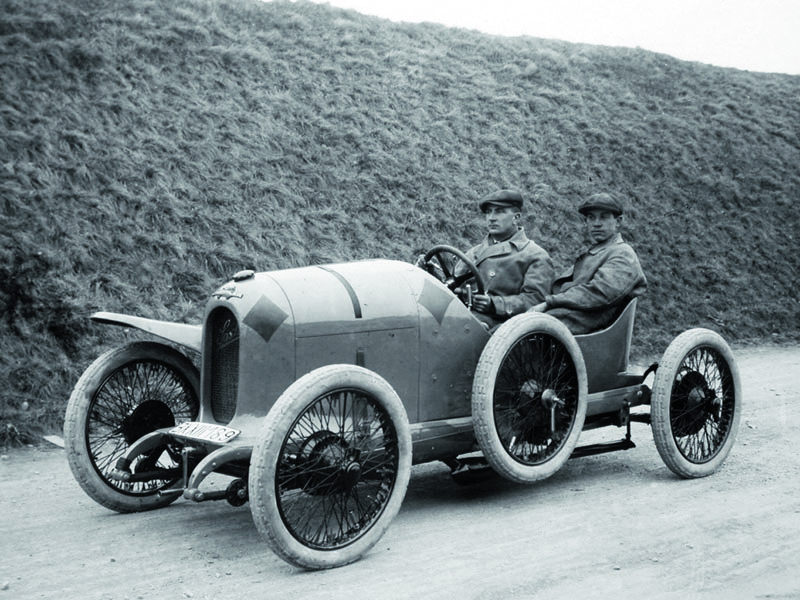
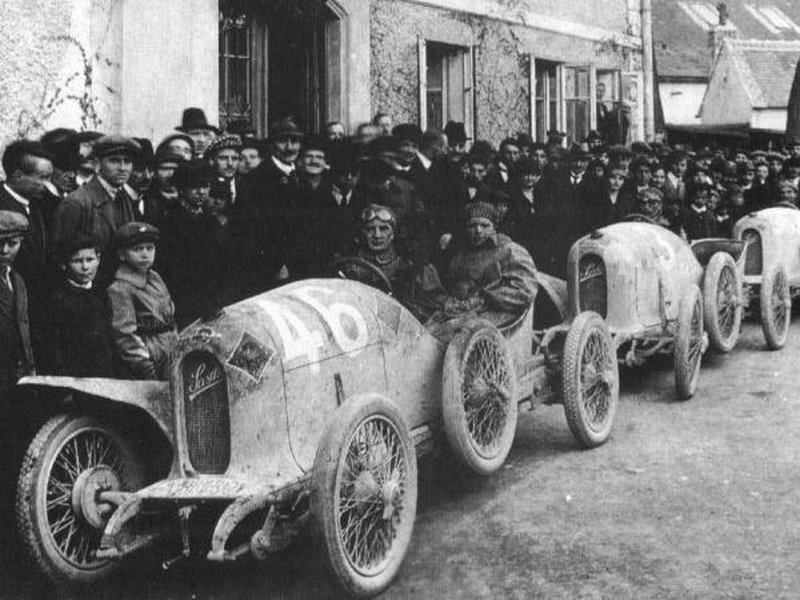
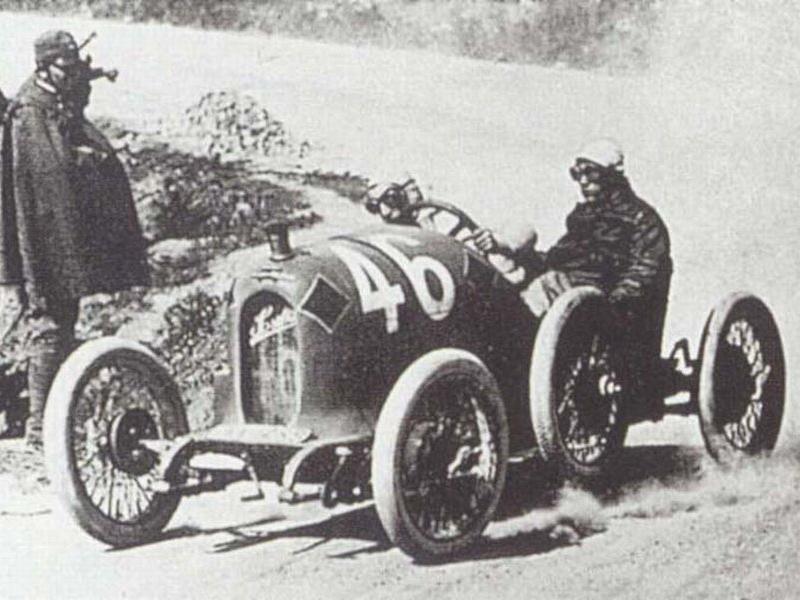
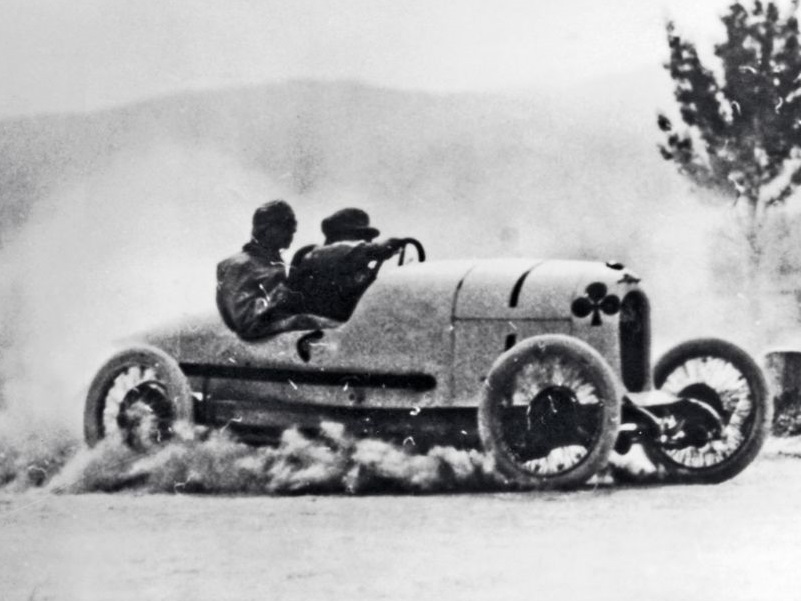
Four prototypes were completed just shortly before the start of the legendary Targa Florio, one of the most difficult road races of its time. To distinguish them from a distance, Count Kolowrat decorated each car with a playing card symbol – hearts, diamonds, spades, and clubs. Kolowrat himself took the wheel of the car with the heart symbol, while one of his teammates was Alfred Neubauer, the later famous head of the Mercedes-Benz racing department. The race led through four laps of the Sicilian mountains, totaling 432 kilometers, more than six thousand turns, and inclines of up to 12.5%. The crews started at two-minute intervals, without direct contact with opponents – only with time, dust, and exhaustion.
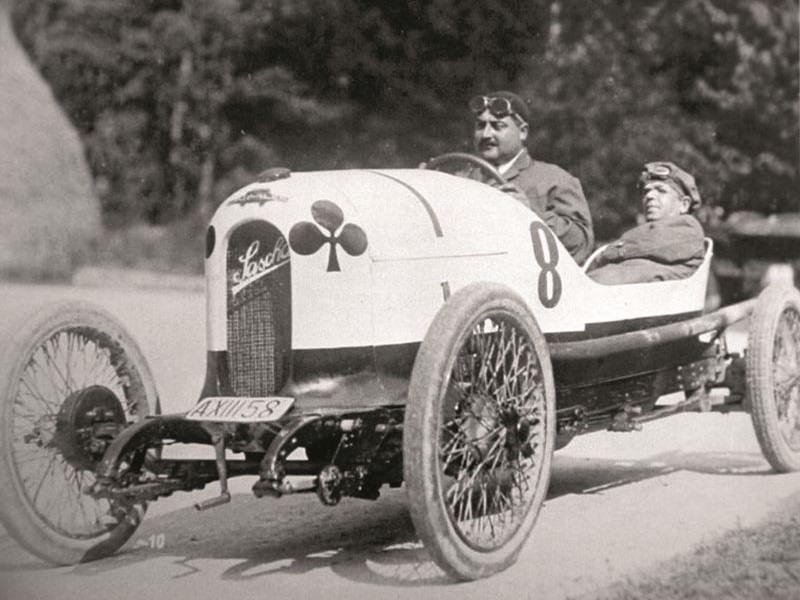
The fastest of the Sascha cars was driven by Neubauer, who finished nineteenth overall out of 42 starters. The race was won by Giulio Masetti in a massive 4.5-liter Mercedes, but Fritz Kuhn won the 1100 cc class in a Sascha. The small, lightweight car thus proved that a cleverly chosen concept could compete with much more powerful machines.
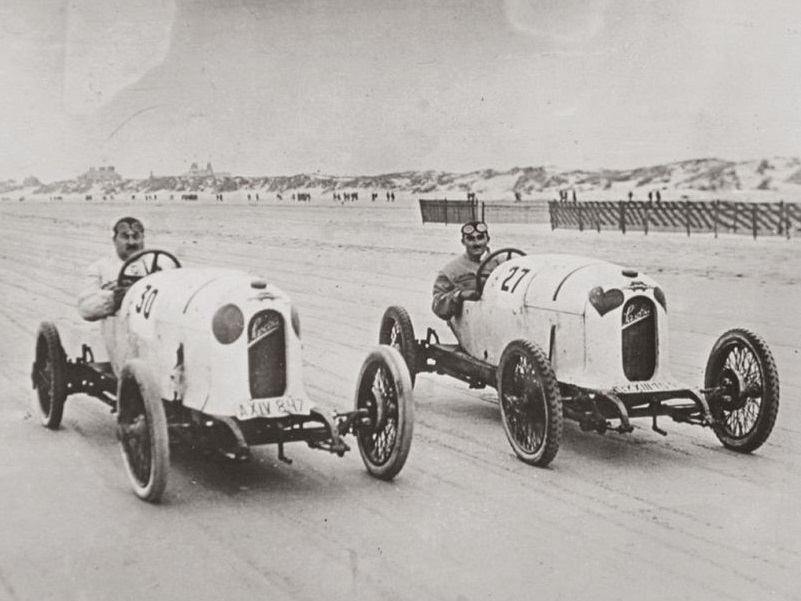
The Italian press was enthusiastic. The Sascha was hailed as a fast, reliable, and technically brilliant car. Nevertheless, the Austro-Daimler management remained adamant. Even further victories – a total of 42 triumphs in 52 races, often with the participation of the young Ferry Porsche – could not convince the board to approve mass production. The official reasons were financial concerns and inflation, but unofficially, there was also an unwillingness to bet on a "small" solution at a time when the market was leaning toward large six-cylinder engines.
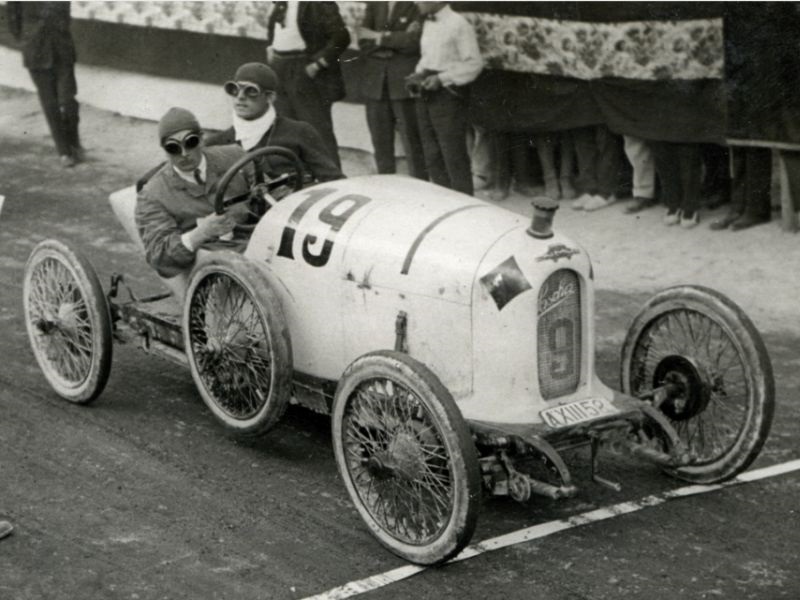
The disagreement resulted in an open conflict with the chairman of the board, Castiglioni, and eventually in Ferdinand Porsche's departure from Austro-Daimler. Ironically, he returned to the Targa Florio as early as 1924 with a new project – this time with the Mercedes PP Targa Florio – and achieved a triple victory.
In 1931, Ferdinand Porsche founded his own design office together with his son-in-law Anton Piëch and Adolf Rosenberger. He carried the principles born with the Sascha with him – motorsport as a laboratory, low weight as the key to speed, and the courage to go against established ideas.
Under the family name, Porsche then picked up exactly where the Sascha left off. The Targa Florio race became one of the brand's symbols – Porsche achieved 11 overall victories there, more than any other manufacturer. The first came in 1956, when Umberto Maglioli won with the 550 A Spyder. Just as it had more than three decades earlier, it was a triumph of a lightweight, technically refined car over more powerful rivals. Of the original four Austro-Daimler Sascha cars, two have survived to this day. One of them stands in the Porsche Museum in Zuffenhausen – as a quiet but eloquent reminder that the Porsche philosophy did not begin with the 356 or the 911, but with the bold idea of a small car that was not afraid of big challenges.
| Austro-Daimler ADS R Sascha - technical specifications | |
|---|---|
| Engine type | Inline 4-cylinder |
| Displacement | 1089 cc |
| Power | 33 kW (45 HP) at 4500 rpm |
| Maximum speed | 144 km/h |
| Weight | 598 kg |
| Wheelbase | 2450 mm |
| Transmission | 4-speed manual |


10.10. 2022