60 years of the 911 Targa (1965 - 2025)

Sixty years of the Porsche 911 Targa: from a revolutionary 1960s concept to the iconic design and technical innovations that influenced the world of sports cars
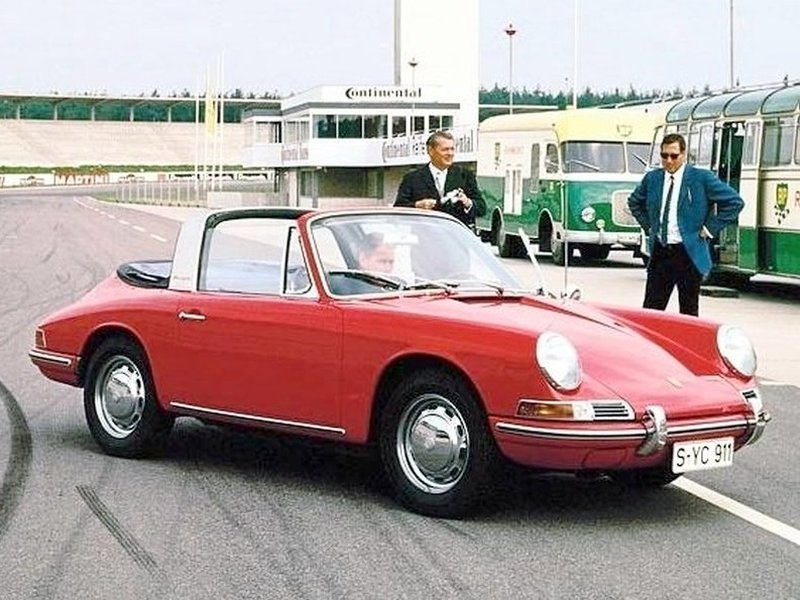
In 1965, Porsche responded to increasing safety requirements for open-top cars in the American market and introduced a completely new type of open car at the Frankfurt Motor Show: the 911 Targa. This body style featured a roll bar which, despite being an open-top, met the same rollover safety criteria as a coupe. At the time, approximately 40% of the automaker's production was destined for the US market. The unusual concept, which did not quite fit the definition of either a convertible or a coupe, was a true original.
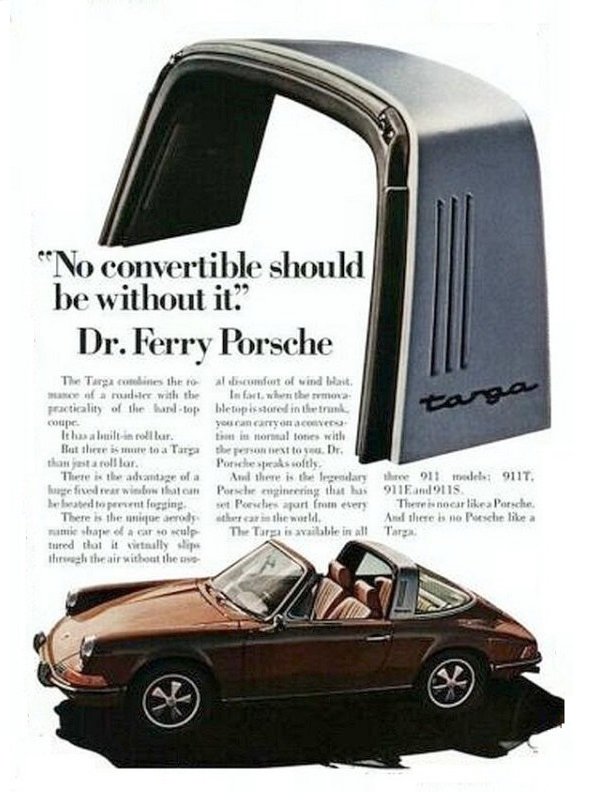
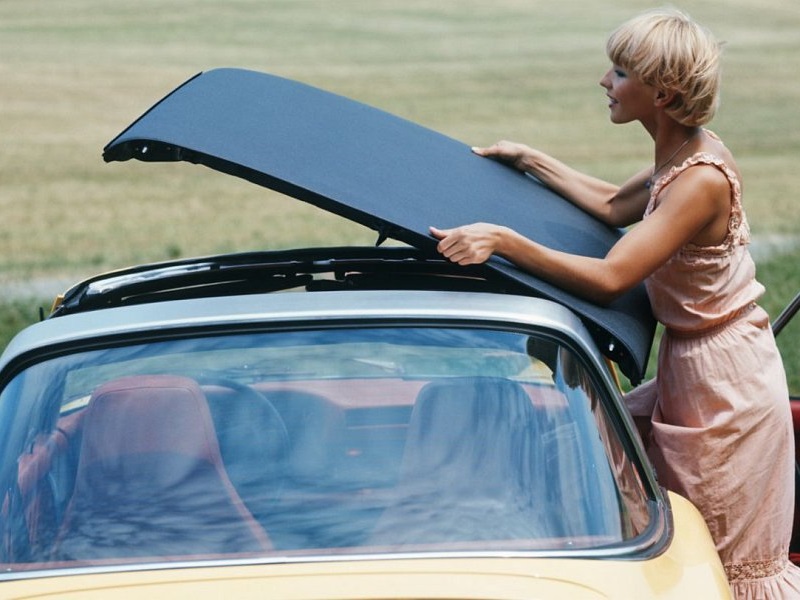
The name Targa was conceived by German sales manager Harald Wagner, who suggested keeping the first half of the name Targa Florio, the legendary road race in Sicily where Porsche had achieved many successes. Interestingly, the word "targa" translates from Italian as "license plate." The first Targas were equipped with a plastic rear window that could be folded down, somewhat like a landaulet. Once removed, the roof panel could be folded and stored in the trunk. The same removable roof principle was later used on the 914 and Carrera GT models.
In 1974, the G-series 911 was introduced. A major design change saw the use of new rubber "accordion" bumpers. Porsche was responding to new US legislation requiring that a car must not be damaged in a 5 mph impact. All 911s featured a new 2.7-liter engine derived from the Carrera RS. However, to meet emission limits, mechanical fuel injection was dropped (except for the Carrera), and the 911 received a new CIS system. For the Targa version, the color of the roll bar was changed from silver to black.
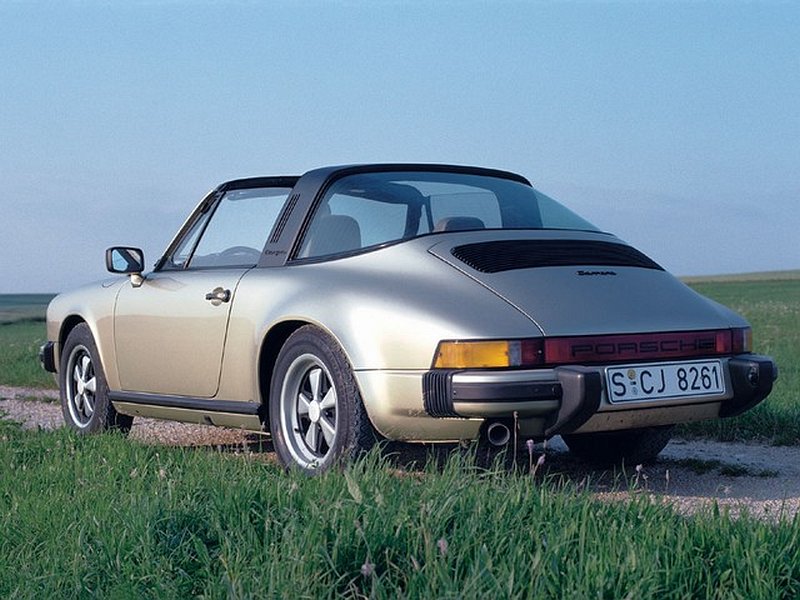
For the 1976 model year, the RS-derived Carrera 2.7 was no longer offered, replaced by a Carrera with a 3.0-liter engine, which used K-Jetronic fuel injection instead of mechanical injection. All models now featured a galvanized body. In 1978, the Targa SC was introduced with a 3.0-liter engine producing 180 hp.
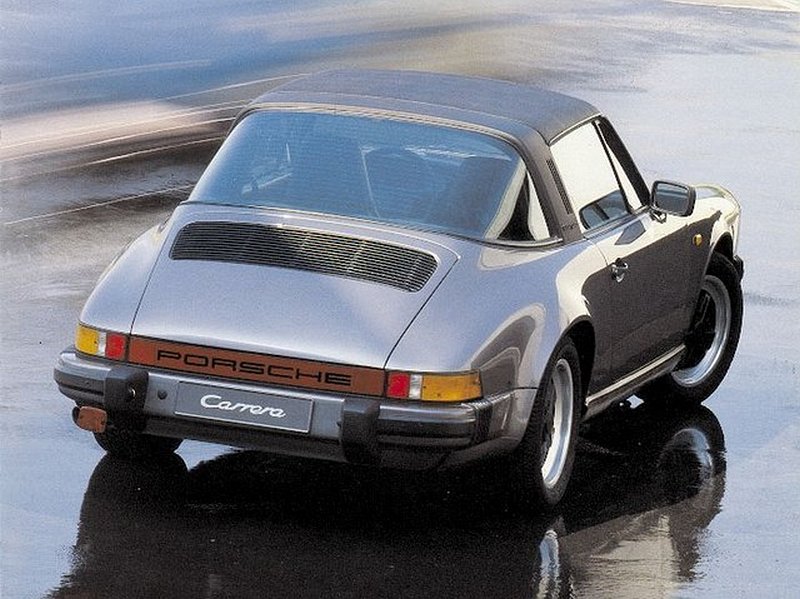
In 1984, the new Carrera with a 3.2-liter engine arrived. The new engine no longer used the K-Jetronic injection system but instead utilized Bosch's digital electronics, known as Motronic 2 DME. Compared to the SC model, the new Carrera 3.2 also featured better brakes with larger discs and a booster from the Turbo. The models also received new "phone dial" alloy wheels with five round holes, with "Fuchs" wheels available as an option.
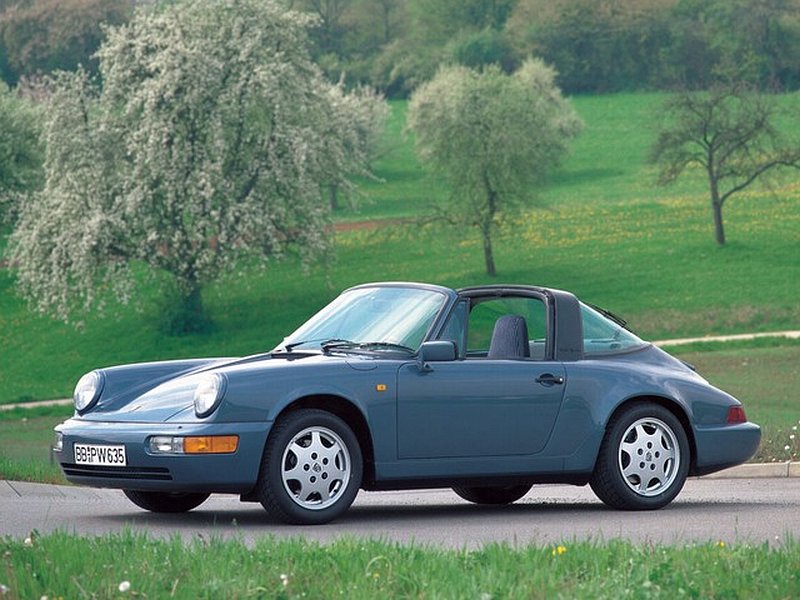
In 1989, the third generation of the 911, known as the 964, hit the market and featured all-wheel drive for the first time. This was the last generation of the Targa model with a traditional removable roof (until the 991 series). The Carrera 4 Targa sold twice as well as the Carrera 2 Targa, making it a relatively rare and collectible model. Only 1,329 units of the rear-wheel-drive version were produced. Overall, the Targa was a very popular car; by 1993, when the next generation began production, a total of 87,663 units had been built.
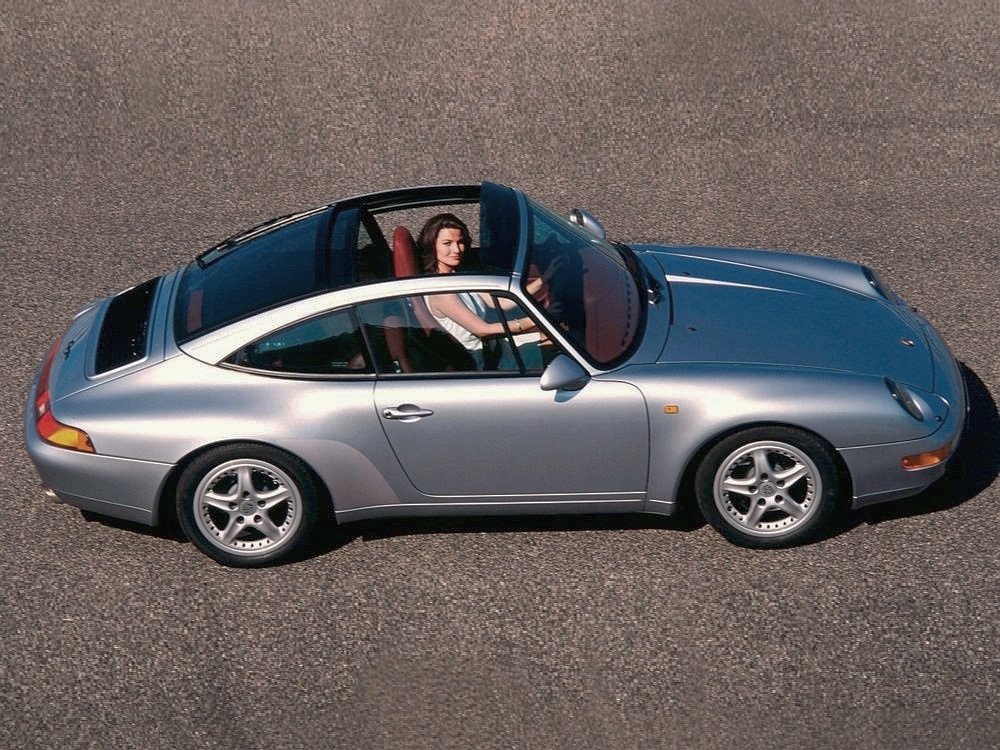
The 993 model series brought one of the most dramatic changes to the Targa design. The new look meant the removal of the typical roll bar, which was replaced by a safety structure and a large, electrically operated sliding glass roof that extended from the windshield frame to the rear of the car. This achieved the silhouette of a Coupe but with the added value of open-top convertible driving. The "Carrera" designation disappeared from the model name, with just "911 Targa" being used from then on.
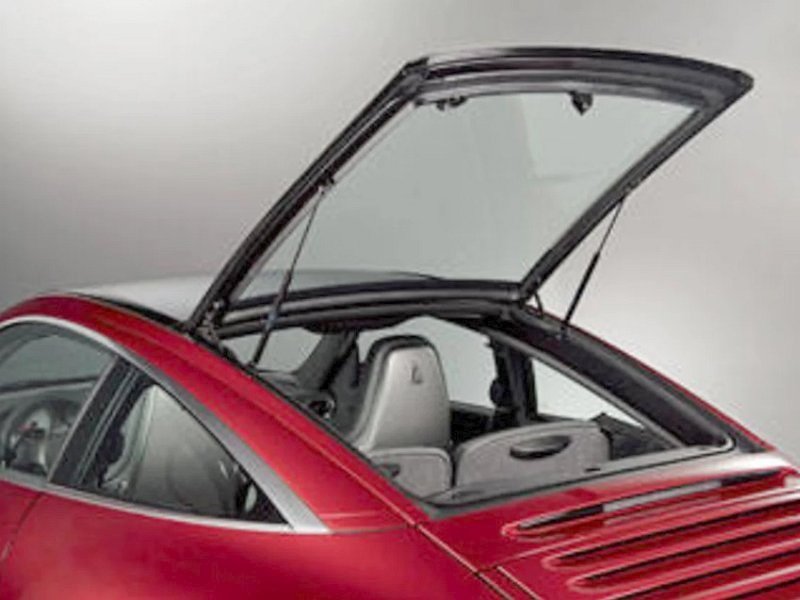
The fifth generation of the 911, the 996, introduced a water-cooled flat-six engine, replacing the air-cooled flat-six of the 993. The 996 Targa joined the water-cooled 911 lineup in 2001 as part of a model facelift. It retained the electrically operated glass roof of the 993, but the sliding glass area was increased. A lift-up rear window allowed access to approximately 230 liters of rear storage space, making the Targa the most practical 911.
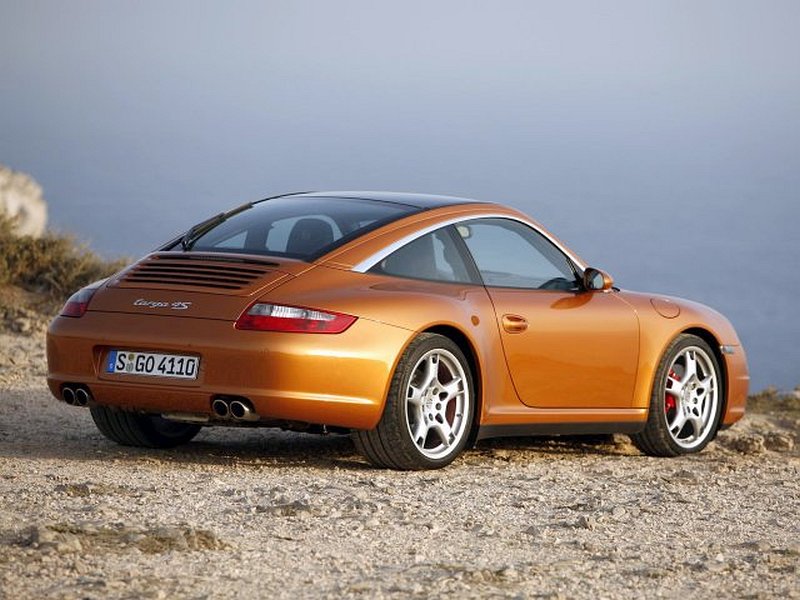
The 997-generation Targa contributed to weight reduction through the use of special glass. However, weight was not the only thing the 997 Targa lost; the rear-wheel-drive variant disappeared from the lineup, and only the Targa 4 and Targa 4S all-wheel-drive versions were available. The appearance of the 997 Targa changed from the previous model practically only by the addition of aluminum strips between the window and the roof.
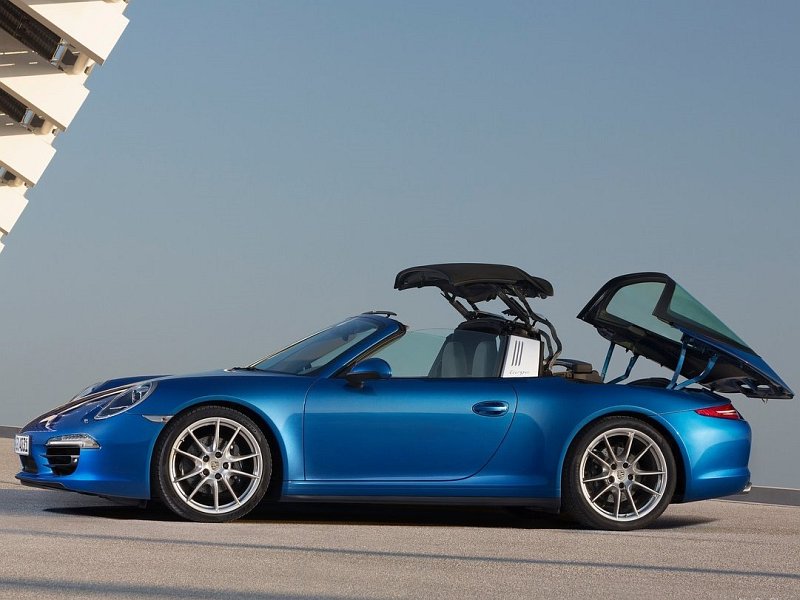
The seventh generation of the Targa underwent a complete transformation. This model embodies the term "modern classic," as it revived the original roof style with the characteristic roll bar, combining modern technology with classic styling. The iconic Targa roof could now be opened and closed electronically at the touch of a button. The roof would automatically retract and fold behind the rear seats. In addition to the Targa 4 and Targa 4S, the lineup now included the more powerful Targa 4 GTS with a 430 hp engine. The 991 series, often referred to as the "return of the Targa," was one of the most popular 911s.
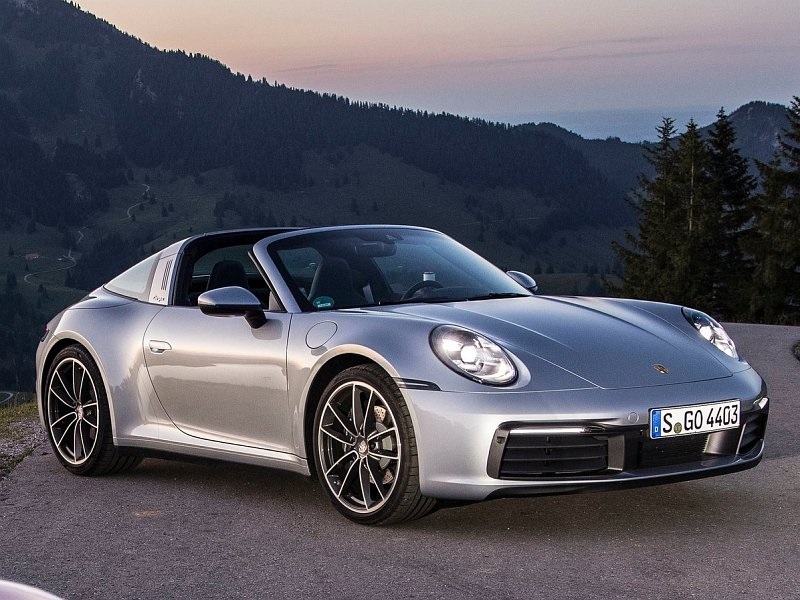
The latest 911 Targa 992 series pays tribute to history with the limited edition 911 Targa 4S Heritage Design Edition, featuring a special Cherry Metallic paint inspired by the 1950s. The Targa once again offers the traditional roll bar. The Targa 4S version boasts a twin-turbocharged flat-six engine with an impressive 450 hp, a top speed of 304 km/h, and acceleration from zero to 100 km/h in 3.8 seconds. The roof can be conveniently opened and closed at the touch of a button in just 19 seconds.
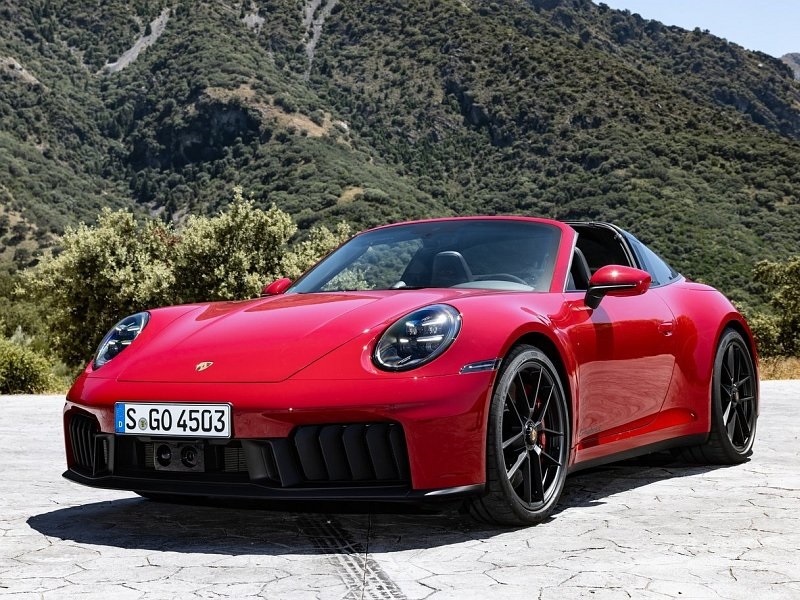
Since 2024, as part of the 992 series facelift, the first Targa with a hybrid powertrain has been available. The Targa 4 GTS T-Hybrid features a turbocharger with an integrated electric motor that also acts as a generator for additional electrical energy. The system includes a new eight-speed automatic transmission with an integrated synchronous motor that supports the engine with an additional 40 kW of power and 150 Nm of torque, regardless of engine load. Both electric motors are connected to a compact high-voltage battery that stores up to 1.9 kWh of energy and operates at 400 V.


6.7. 2025