Porsche 911 as an investment (Part 2 - 964 and 993)

While the question of whether an investment is worth it is often debated for newer generations of the Porsche 911, for the air-cooled 964 and 993 models, the question is different—not whether, but under what conditions. These two generations currently form the boundary between the "old world" of classic 911s and the modern era, and their market position reflects this.
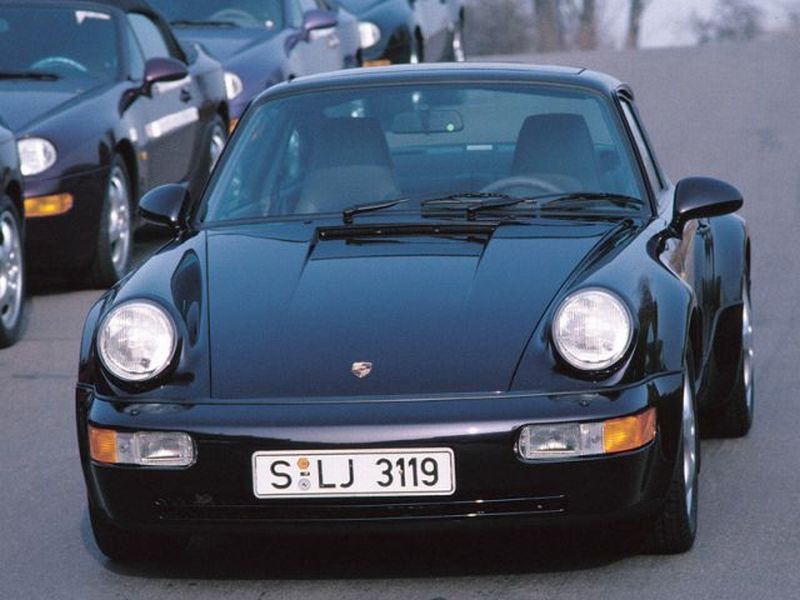
The Porsche 911 generations 964 and 993 have long ceased to be a cheap entry ticket into the world of classic sports cars. They are established collector cars whose value is heavily influenced by the history of the specific unit, its technical condition, and its level of originality. And this is exactly where the investment reality differs fundamentally from the younger 996 and 997.
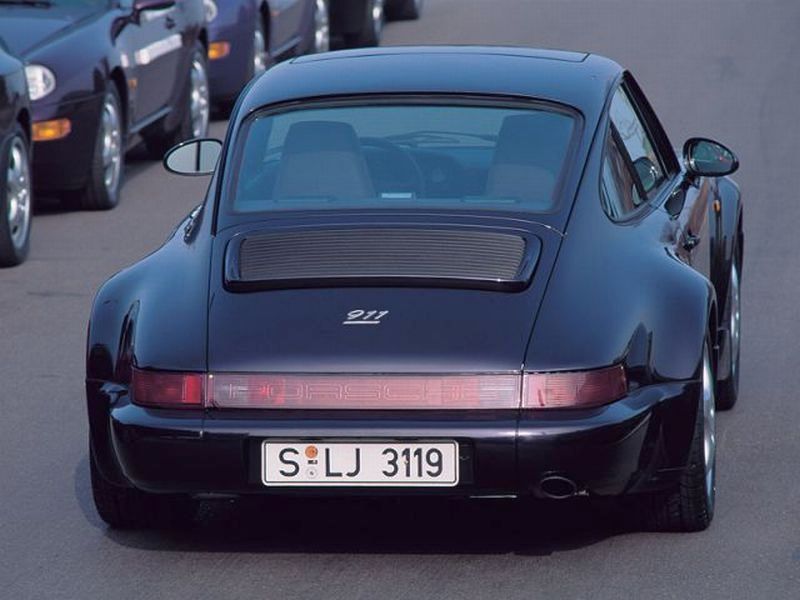
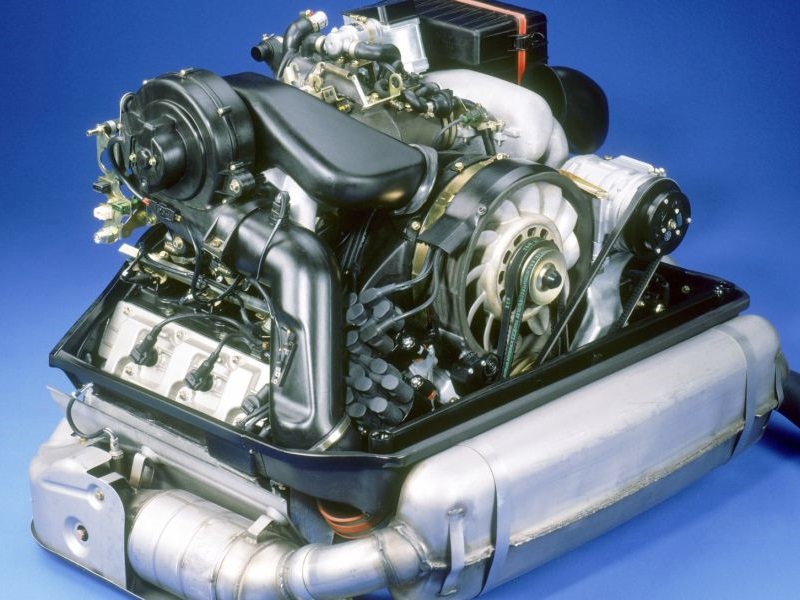
The 964 generation, produced between 1989 and 1994, is often considered the last classic and the first modern 911 at the same time. Visually, it still resembles the shapes of the 60s and 70s models, but technically it represented a huge step forward. It introduced all-wheel drive, ABS, power steering, more modern air conditioning, and a completely redesigned chassis. The M64 engine remained an air-cooled, naturally aspirated 3.6-liter flat-six with 250 horsepower. Compared to previous generations, it was more refined, yet still mechanically honest. And it is this combination that makes it a very attractive investment item today.
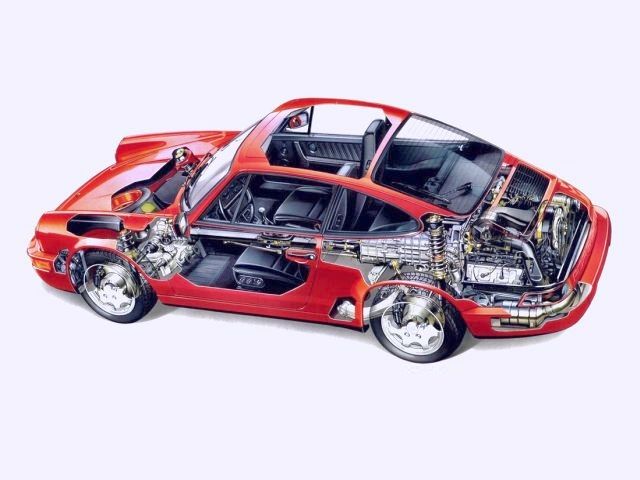
From an investment perspective, the 964 has one major advantage—there is no stigma of problematic engines like the one we know from the 996. Yes, the engine requires careful maintenance and is not cheap to service, but in terms of design, it is a robust and long-proven unit. The most common weaknesses of the 964 do not concern the engine itself, but rather the age of the car, such as oil leaks, worn silent blocks, or the dual-mass flywheel (LUK), which often failed in early units, and replacing it with a modified version is a standard but costly service procedure.
On the market today, it is true that the 964 is no longer cheap. Prices for decent units have remained high for a long time and only drop significantly for cars with a problematic history or amateur modifications. From an investment standpoint, an original Carrera 2 with a manual transmission, or a well-documented Carrera 4, makes the most sense. Special versions like the RS are already in a different price category.
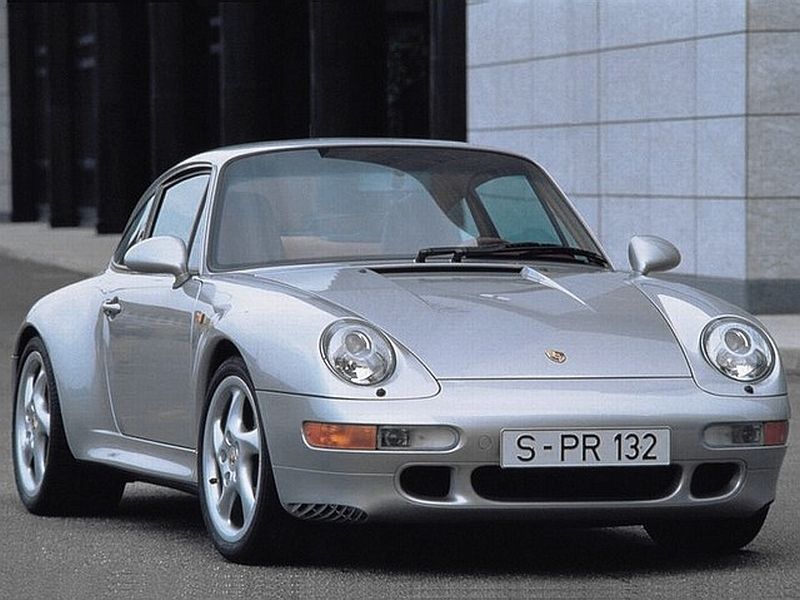
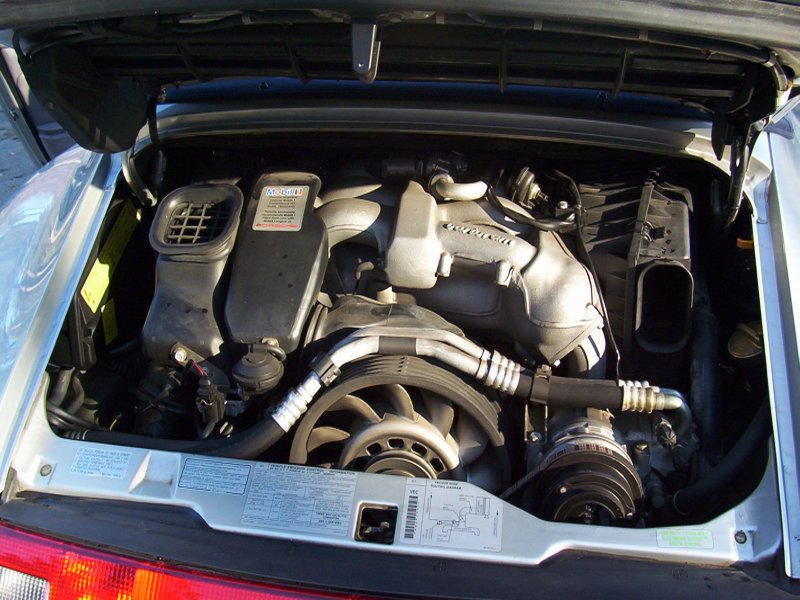
The 993 generation, produced from 1994 to 1998, is considered the pinnacle of the air-cooled 911 evolution. And its price category reflects this. Technically more advanced than the 964, more refined, but still without the compromises of the modern era. The M64 engine in the 993 received 272 horsepower, later 285 horsepower in the Varioram version. The chassis with an aluminum rear axle significantly improved stability and behavior at the limit. Nevertheless, the car retained a mechanical character that you won't find in newer generations today.
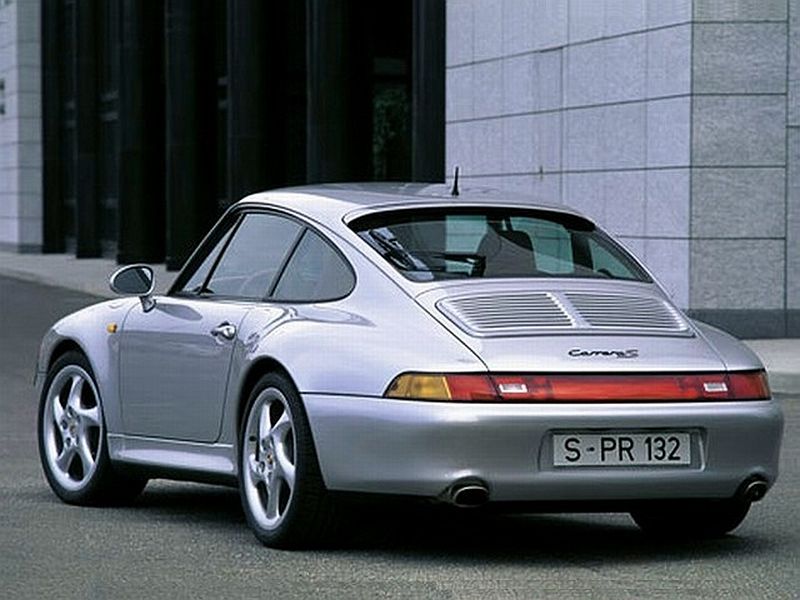
From an investment perspective, the 993 is extremely strong. It is the last air-cooled Porsche 911, an argument that does not lose weight with time; quite the contrary. The value of these cars has remained stable for a long time and continues to grow for high-quality units, although not as dramatically as during the investment fever around 2015. Condition and originality are essential. For the 993, the matching of the engine and transmission numbers to the VIN, original paint and color, service history, or the presence of irreversible modifications and conversions are judged very strictly.
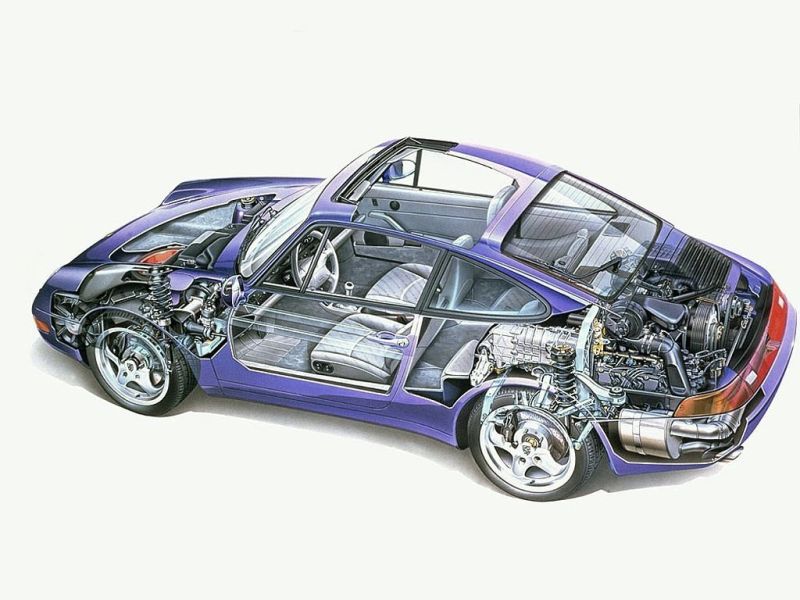
Unlike the 964, the 993 is safer as an investment, but also comes with a significantly higher purchase price. Service costs are high but predictable. There is no risk of the structural engine failures known from the M96/M97, but it is true that any major repair is expensive because both parts and labor correspond to the status of a collector's car. Although the 993 is well protected against corrosion, it suffers from rust in the corners of the windshield and rear window frames. Moisture gets trapped under the rubber seal, which can discreetly eat through the bodywork—repairing this requires removing the glass and professional intervention, which is a sensitive matter for an investment piece.
It is important to admit one thing. The Porsche 964 and 993 are no longer speculative investments today, but rather a tool for preserving value. The market has already seen significant price jumps. But that does not mean they are not worth it. It means they make sense for a buyer who purchases a quality unit, is willing to invest in maintenance, and understands that the return is long-term.
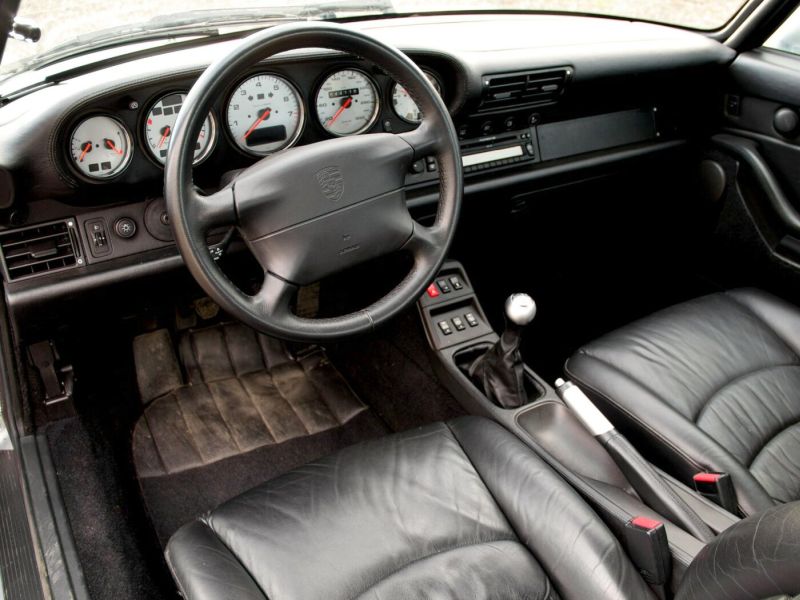
While with the 996 and 997 one can still consider a "buy cheap, fix up, and profit" approach, with the 964 and 993 it is important to buy correctly the first time. A bad unit can swallow hundreds of thousands without a real chance of return. The origin and history of the car, the originality of the parts, and the absence of hidden corrosion are key.
Air-cooled generations are not the answer for everyone who asks whether the Porsche 911 is worth it as an investment. They are the answer for those who want a mechanically honest automobile with historical value, where the money lies not in quick profit, but in long-term stability.
The Porsche 911 is not a worry-free investment. But if you are looking for a Porsche that retains the market's respect, character, and value even after years, then the 964 and 993 are exactly the place where an investment makes the most sense.


19.4. 2019