Panzer VIII Maus - the heaviest Porsche in history

The heaviest design by Ferdinand Porsche! The Panzerkampfwagen VIII, ironically nicknamed "Maus" (Mouse), combines brilliant engineering with wartime madness. With a weight of 188 tons and a unique hybrid drive, it was a machine that had no competition, but it ultimately paid the price for its own size. The Škoda works in Plzeň also played a role in its development.
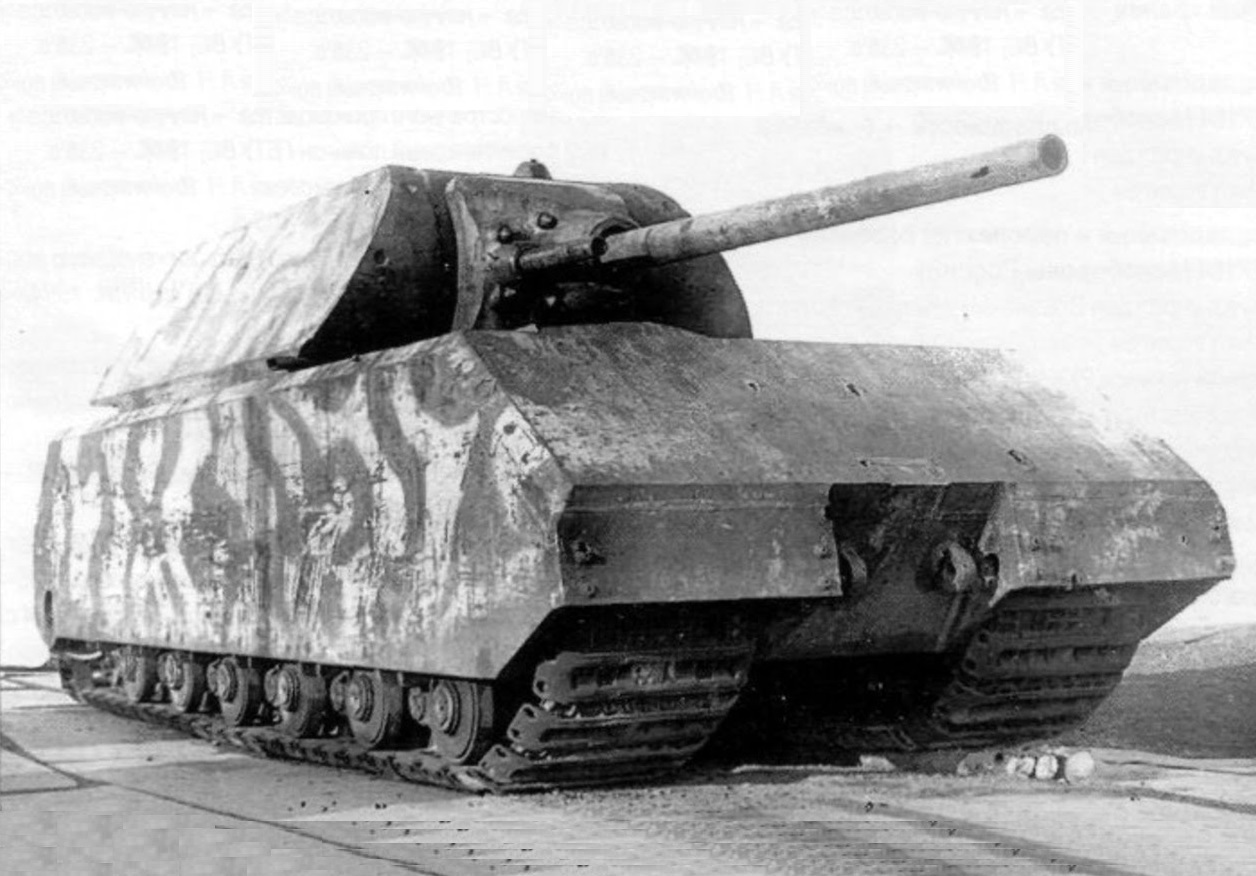
The Panzerkampfwagen VIII Maus represents an extreme chapter in the life of Ferdinand Porsche and in the development of armored technology during World War II. This legendary super-heavy tank, designed under Porsche's leadership, became a symbol of Nazi Germany's technical ambition and, at the same time, a demonstration of its practical limits. The tank was not only Ferdinand Porsche's heaviest design, but also the heaviest tank in history. However, it never reached the front lines.

In 1941, the Wehrmacht began searching for a super-heavy tank that could face any existing opponent. The first result was the Panzerkampfwagen VII Löwe project, but it was cancelled by direct order of Adolf Hitler in favor of an even more ambitious project. Thus, the tank that received the ironic name Maus, or mouse, was born. Despite its name, it was a colossus weighing 188 tons, making it the heaviest tank ever built.

The Maus featured a unique hybrid electric drive with a Daimler-Benz MB517 diesel engine generating electricity for the electric motors that powered the tracks, as well as extremely thick armor. The special electric control system and transmission included, among other things, components from Škoda Plzeň. However, the enormous weight meant fundamental limitations – the tank was unable to cross standard bridges or be transported by train. For this reason, special railway cars were designed, and even an underwater snorkel system for crossing water obstacles.
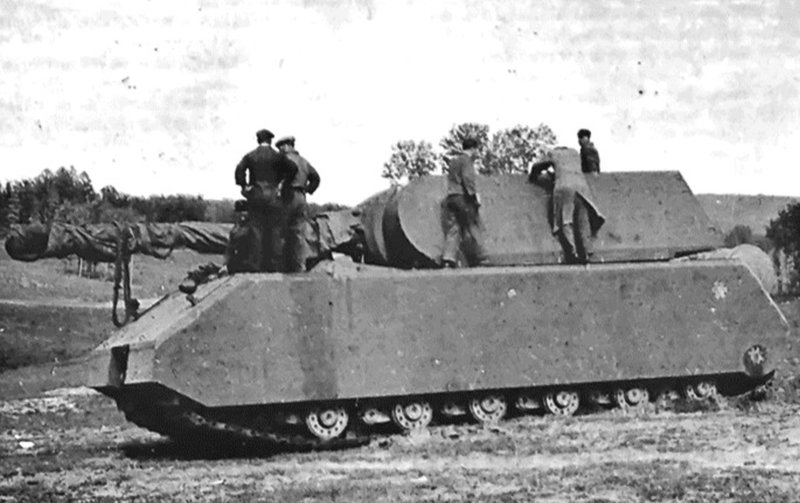
Only two prototypes were produced, with the internal designations Typ 205/1 and 205/2. In April 1945, the Red Army occupied the testing grounds in Kummersdorf, where the Maus was located. The Germans were forced to destroy the hull of the second prototype (205/1), and the only surviving example today is a combination of the 205/1 hull and the 205/2 turret, exhibited at the tank museum in Kubinka, Russia.
The Panzerkampfwagen VIII Maus represents a lesser-known but technically fascinating chapter in Porsche's history. It is a symbol of an extreme technical experiment of the Second World War. As the heaviest tank in history, it also shows how far Nazi design ambition was willing to go, even at the cost of practical uselessness. Although only two prototypes were built, the Maus has earned a permanent place in the history of military technology.
| Technical Specifications | |
|---|---|
| Engine type | Daimler-Benz MB517 V12 diesel engine |
| Displacement | 44,500 cc |
| Power | 895 kW (1,200 HP) |
| Maximum speed | 20 km/h |
| Average consumption | 1,600 l/100 km |
| Range | 160 km |
| Weight | 188 tons |
| Armament |
128mm KwK 44 L/55 cannon
75mm KwK 44 L/36.5 gun |


8.3. 2015