Boxster and Cayman - most common faults and weak points

The Cayman and Boxster are among the most accessible entry points into the world of Porsche. They offer a mid-engine layout, excellent balance, and a proper flat-six engine that brings joy on both backroads and the track. At the same time, it is good to know their weak points when buying a used one. This is an overview of the most common problems with the Cayman and Boxster, without unnecessary alarmism and with an emphasis on the real-world experiences of owners.

Cayman and Boxster: An entry ticket to the world of Porsche
The Boxster and Cayman were created as a more affordable alternative to the iconic 911, but they quickly built their own identity. Thanks to their mid-engine layout, they have a naturally balanced chassis that feels light, communicative, and confident. That is why they are popular with drivers who want a car primarily to drive, not just to own. At the same time, these are models that can be purchased for relatively reasonable money today, which makes them a frequent choice for a first Porsche. And this is exactly where it is good to know what to look for when choosing.
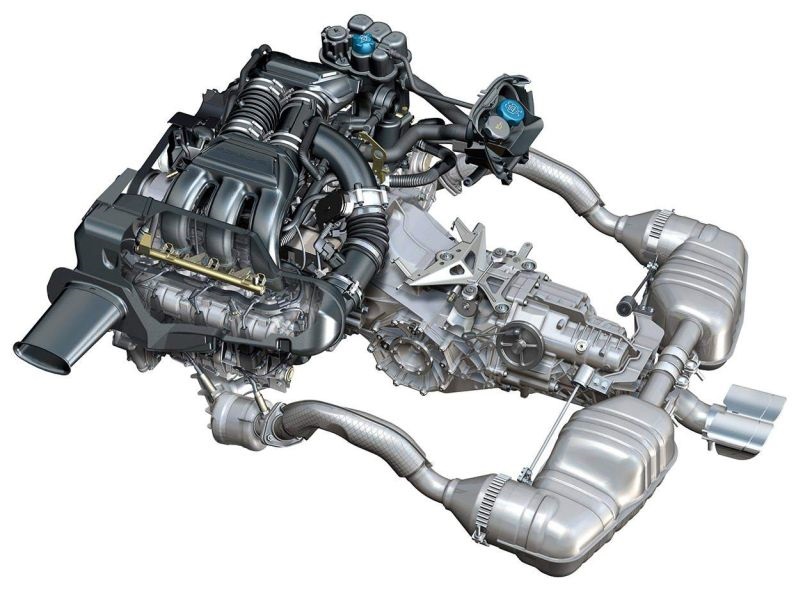
IMS bearing: Which models does it really affect?
The most frequently discussed topic is the engine, specifically the dreaded IMS bearing in older generations of the Boxster 986 and Cayman, as well as the pre-facelift Boxster 987. Yes, this design flaw exists, and in the event of failure, it can mean serious engine damage. However, it is also true that it does not affect all cars, and a large portion of problematic units have either long since reached the end of their service life or have already had the IMS preventatively addressed. If the car has documented proof of the upgrade, there is largely no need to worry. In newer generations, especially from the 987.2 facelift onwards, this problem is practically non-existent.
Bore Scoring: Why is an endoscopic inspection of the cylinders worth it?
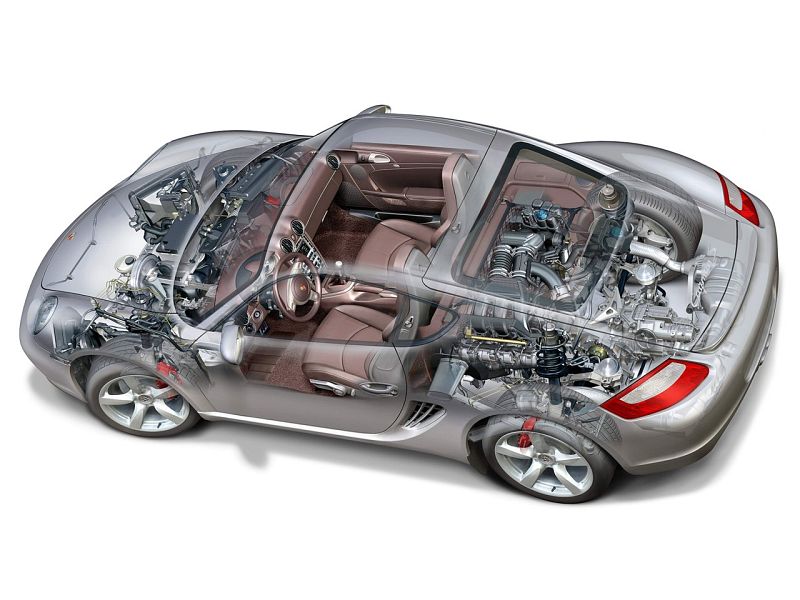
Another topic is the risk of bore scoring, which particularly affects the more powerful "S" versions with the 3.4-liter engine in the 987.1 generation. It manifests as knocking when cold or soot on the left exhaust tailpipe. When buying these versions, an endoscopic inspection of the cylinders is strongly recommended, as it can reveal an expensive problem before the engine fails completely. Typically, these are cars with long oil change intervals, frequent high-revving while cold, or generally poor service history. Otherwise, the Porsche flat-six is exceptionally robust and, with proper care, can last for very high mileages. This is not an engine that forgives skimping on oil, but with reasonable treatment, it is one of the most reliable sports units of its time.

Transmissions: Manual, Tiptronic, or PDK?
Transmissions are among the strong points of both models. Manuals are mechanically simple and durable, although older units may show signs of loose shifting or a tired clutch, especially in cars driven primarily in the city. The Tiptronic automatic transmission is reliable, but it feels slow by today's standards and is better suited for a more relaxed driving style. The real shift came with the PDK dual-clutch transmission, which is fast, precise, and generally very reliable, provided the oil is changed regularly.
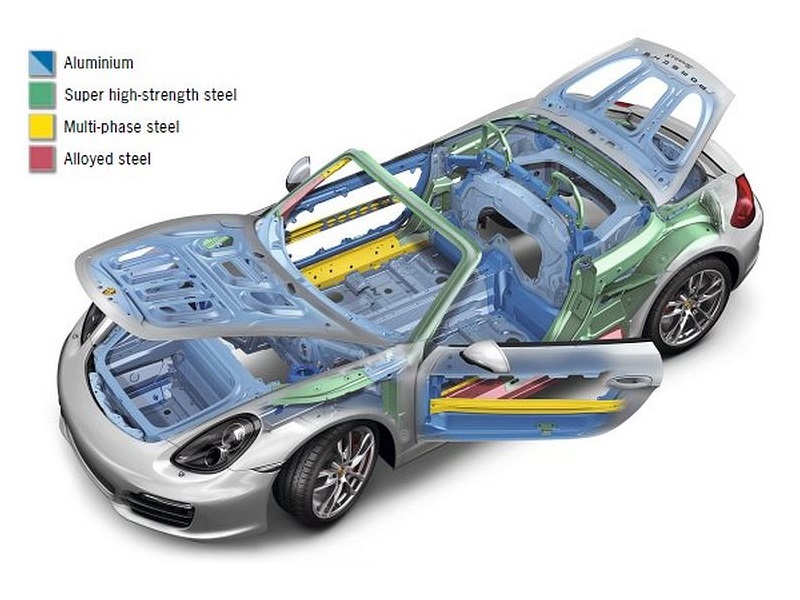
Chassis and brakes: How much do repairs cost?
If the car is equipped with the PASM adaptive suspension, keep in mind that the price of a single shock absorber is more than double compared to the standard one. In older units, corrosion often appears on the shock absorber mounts, which is a minor but annoying detail to address. Both the Cayman and Boxster are light cars with sharp steering, which is precisely why their chassis components take a beating. Worn control arms, bushings, or ball joints can change the car's behavior, making it feel insecure even if it looks perfect on the outside. However, a well-serviced chassis transforms the car back into what it should be – a light and precise sports Porsche for pure enjoyment.
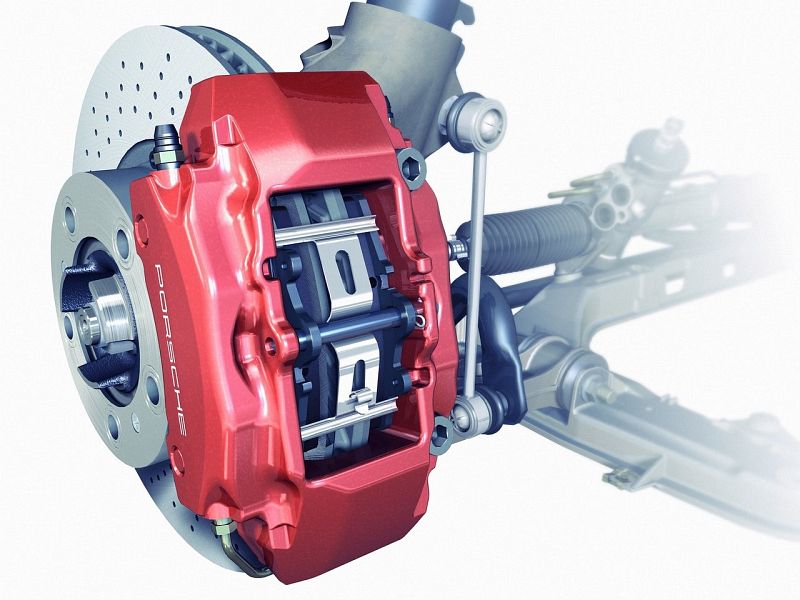
Brakes are not a weak point, but rather classic consumables. They wear out faster during spirited driving, and original parts are not cheap. When looking at used cars, it is good to watch for vibrations during braking or significant lips on the discs. PCCB ceramic brakes are technically excellent, but they require extra caution when buying, as their potential replacement is very expensive.
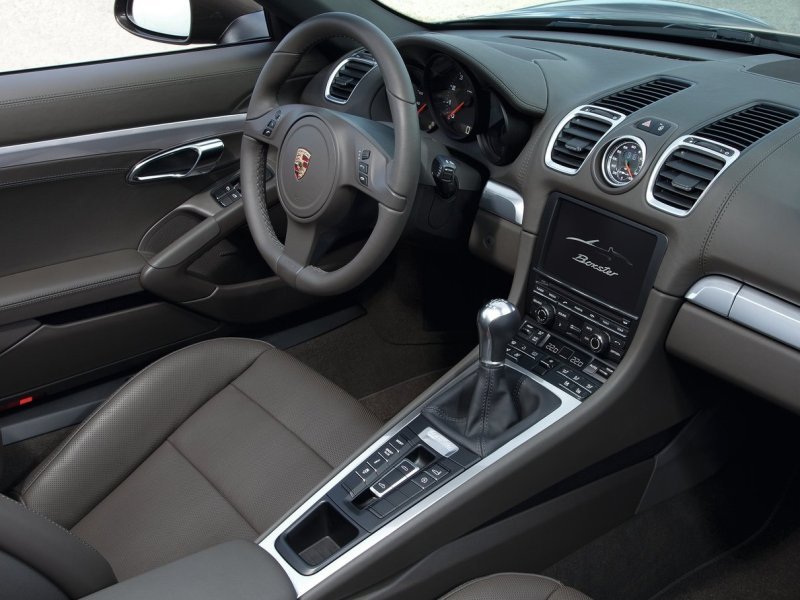
Electronics and interior
Electronics and the interior are among the less problematic areas. Occasionally, a non-functional air conditioner or glitchy window regulators appear, especially in the Boxster. Interiors generally age well, although sports seats tend to have worn bolsters and some buttons may lose their markings over time. For Boxsters, it is important to check the water drains under the roof mechanism. Clogging them leads to flooding the cabin, which in a Porsche often means destroying the control units located under the seats; repairing this is then demanding in terms of both diagnostics and money.
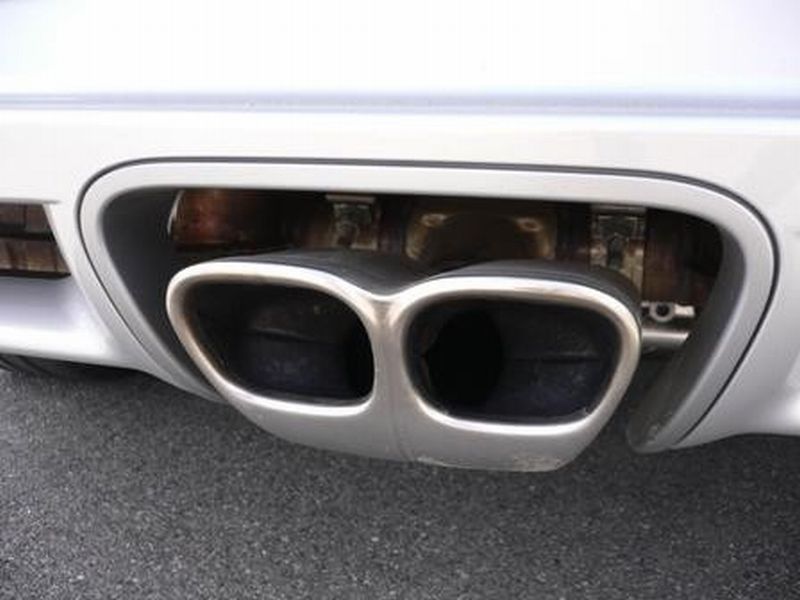
Corrosion is not a major issue for these models, at least not on the bodywork itself. It appears more often on the exhaust system, brackets, or chassis fasteners. Putting the car on a lift during a purchase is more of an opportunity for better negotiation than a reason for panic.
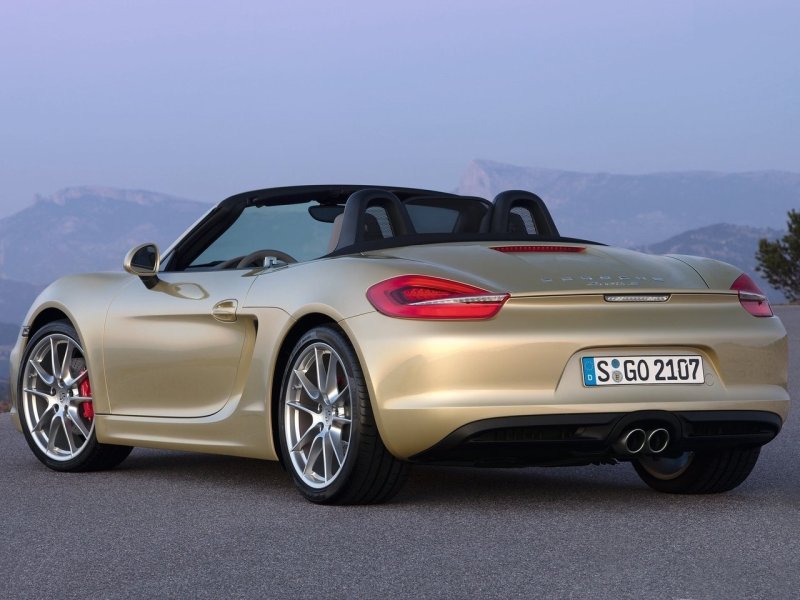
Which generation to choose?
If you are looking for the safest choice in terms of technology, the 987.2 generation is a very good bet, as it got rid of the IMS and introduced more modern tech. The 981 generation with its naturally aspirated flat-six is also a great compromise and is considered a highly valued variant today. Conversely, with the oldest units without a clear history, you need to proceed with caution and keep a reserve for service.
The Cayman and Boxster are not flawless, but none of their weaknesses are unsolvable. Most problems arise from a combination of neglected maintenance and unrealistic expectations. If you take care in your selection, check the history, and look after the car, you will get one of the purest driver's Porsches ever made.


7.10. 2024